Southbury Road Enfield wedding flowers suppliers and venues
Posted on 05/10/2026
Southbury Road Enfield wedding flowers suppliers and venues: a practical local guide
If you are planning a wedding near Southbury Road in Enfield, flowers and venue choice tend to land on the same to-do list for a reason. They shape the look, the timing, the photos, and often the mood of the whole day. Southbury Road Enfield wedding flowers suppliers and venues is a search people make when they want the practical stuff, not just pretty pictures: who can deliver, what works in local spaces, how far ahead to book, and how to avoid last-minute stress. This guide walks through all of that in plain English.
You will find a clear breakdown of how local wedding flower supply works, what to look for in a venue, how to match flowers to the room, what mistakes to avoid, and a few useful ways to keep everything calm and coordinated. Let's face it, weddings have enough moving parts already.
Table of Contents
- Why Southbury Road Enfield wedding flowers suppliers and venues Matters
- How Southbury Road Enfield wedding flowers suppliers and venues Works
- Key Benefits and Practical Advantages
- Who This Is For and When It Makes Sense
- Step-by-Step Guidance
- Expert Tips for Better Results
- Common Mistakes to Avoid
- Tools, Resources and Recommendations
- Law, Compliance, Standards, or Best Practice
- Options, Methods, or Comparison Table
- Case Study or Real-World Example
- Practical Checklist
- Conclusion
- Frequently Asked Questions
Why Southbury Road Enfield wedding flowers suppliers and venues Matters
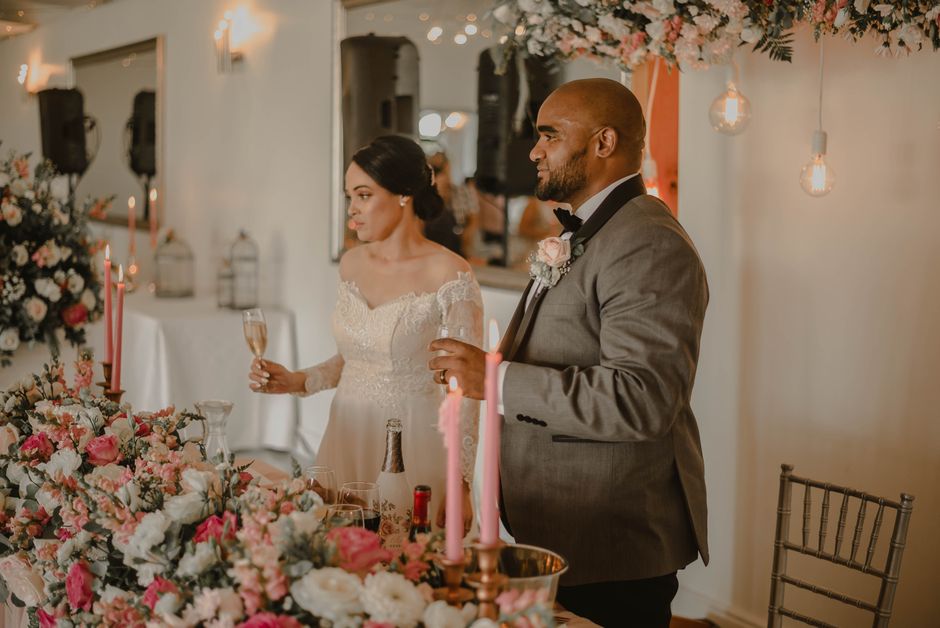
Wedding flowers are not just decoration. They influence how a venue feels the moment guests walk in. At a local level, especially around Southbury Road and the wider Enfield area, the venue and florist usually need to work as a pair. One affects the other. A bright, high-ceilinged hall can take larger, bolder arrangements; a cosy function room may need simpler centrepieces and a tighter colour palette so it does not feel crowded.
This matters because many wedding problems start with a mismatch. A couple falls in love with a bouquet online, then discovers the venue has low tables, poor access, or a tight set-up window. Or the venue is lovely, but the florist is not told about delivery restrictions, loading access, or where the registrar table will stand. Those are small details until they are not. Then they become the thing everyone is talking about at 10am on the wedding morning.
Southbury Road Enfield wedding flowers suppliers and venues is really about coordination. The right supplier understands local venues, the flow of the day, and the practical conditions that affect the display. The right venue gives enough flexibility for flowers to be installed safely and on time. When those two line up, the whole day looks more polished without feeling overdone.
Expert summary: the best wedding flower plan is not necessarily the biggest one. It is the one that fits the venue, the schedule, the budget, and the style of the day without last-minute compromise.
How Southbury Road Enfield wedding flowers suppliers and venues Works
The process is usually simpler than people expect, although there are a few moving parts. In most cases, you start with the venue and the date, then build the floral brief around those fixed points. If you already have a wedding florist in mind, they can sometimes suggest what works best for the space. If you have the venue first, they can help you narrow the flower choices so the result feels intentional rather than random.
A local wedding flower supplier will typically ask about:
- the ceremony and reception venues
- guest numbers and table layout
- the colour palette or theme
- the dress, suit, and any cultural details
- the season or preferred flower types
- delivery timing and set-up access
- what needs to travel from one venue to another
Venues, meanwhile, vary widely in how they handle floral deliveries. Some offer a clear drop-off point and plenty of time before guests arrive. Others are tighter on timing, especially if the space is being turned around between events. That is why it helps to choose a florist who is used to planning around venue logistics rather than just arranging stems beautifully in a studio.
For wedding shoppers, it also helps to think in layers. There is the bridal bouquet, then bridesmaid bouquets, buttonholes, ceremony flowers, table arrangements, and any finishing touches like welcome arrangements or cake flowers. You do not need every layer. But you do need a coherent plan. Otherwise the wedding can end up looking like a flower shop exploded in three different fonts. Not ideal.
If you are browsing the local florist's wedding range, a good starting point is their dedicated wedding flowers in Enfield Town page, which gives a sense of what is typically available for bridal work, buttonholes, and venue arrangements.
Key Benefits and Practical Advantages
Working with a florist that understands both the supplier side and the venue side brings some very practical benefits. It saves time, reduces mistakes, and usually makes the final design look more deliberate.
1. Better visual balance
Flowers that suit the venue's scale feel more expensive, even if the actual spend is modest. A few well-placed arrangements often do more than lots of small, disconnected pieces.
2. Less stress on the day
When delivery windows, access routes, and set-up timings are clear, you are not chasing people at the last minute. That alone is worth a lot. Weddings have enough buzz already; nobody wants to be running upstairs with ribbon while someone is asking where the registrar is.
3. Smarter budget use
Good suppliers can suggest where flowers matter most. Sometimes that means putting the emphasis on the bridal bouquet and ceremony focal points, then scaling back on secondary pieces. Sometimes it means using seasonal blooms and clever repetition so everything feels coordinated without overbuying.
4. Easier coordination with photos
Flowers influence your photos more than many couples expect. Soft colour groupings, shape, and placement all show up in the background and in close-up shots. A florist who understands the venue can help make sure the most visible areas are dressed properly.
5. More reliable backups
Local suppliers are often better placed to respond if something changes. A bouquet size adjustment, a table count change, or a minor timing issue is much easier to manage when the florist is working nearby and knows the area.
There is also a trust benefit that is hard to quantify but very real. If a florist has a practical understanding of local venues, they can tell you what usually works and what tends to be awkward. That kind of advice is quietly valuable.
Who This Is For and When It Makes Sense
This topic matters to a few different kinds of couples and planners.
- Local couples who want a straightforward wedding without doing endless venue and florist research across London.
- Couples getting married near Southbury Road who need flowers that fit a specific ceremony room, hall, or reception layout.
- People planning on a tighter timeline who need a supplier that can handle practical delivery and set-up planning.
- Anyone who values simple coordination and does not want separate suppliers inventing separate ideas.
- Families helping with wedding planning who want a clear, sensible guide to what matters and what does not.
It also makes sense if you have already chosen a venue but are not fully sure what flowers would suit it. That happens a lot. People book the room first because that is the solid thing. The flowers come later, once the shape of the day starts to settle.
Truth be told, even couples who say they "don't know much about flowers" usually know more than they think. They know whether they want soft and romantic, clean and modern, or colourful and joyful. That is enough to begin with.
Step-by-Step Guidance
Here is a sensible way to approach Southbury Road Enfield wedding flowers suppliers and venues without getting overwhelmed.
- Confirm the venue details first. Ask about room size, ceremony layout, table style, access times, parking, and any restrictions on candles, stands, confetti, or hanging decor.
- Decide the floral priorities. Start with the pieces that matter most to you: bridal bouquet, ceremony flowers, table arrangements, buttonholes, or aisle decor.
- Set a realistic budget. Be clear about your overall budget and where you are willing to spend more. A good florist can work within that if they know it early.
- Choose a palette, not a panic. Pick 2 to 4 main colours or a style direction. That gives the florist room to create something cohesive without overcomplicating things.
- Ask about seasonal options. Seasonal flowers often look fresher and can be a more efficient use of budget. You do not need to micromanage every stem, honestly.
- Check delivery and set-up logistics. Confirm who is receiving the flowers, where they are going, and whether anything needs to be moved between locations.
- Review the proposal carefully. Look at quantities, item names, and timing. If there is a bouquet, two buttonholes, and six table pieces, make sure the numbers match what you expect.
- Reconfirm close to the date. A short final check helps catch venue changes, guest count changes, or timing shifts before they become problems.
A helpful rule: if you cannot explain your flower plan in one minute, it is probably too complicated. Not always, but often enough to be worth mentioning.
Expert Tips for Better Results
After seeing how wedding plans unfold in real life, a few patterns show up again and again.
Start with the venue's strongest features
If the room already has a lot of charm, do not compete with it. For example, a venue with warm lighting and period details may only need elegant bouquets, a ceremony focal point, and modest table flowers. A more minimal space may benefit from fuller shapes and richer colours.
Use repetition to create cohesion
One of the simplest ways to make wedding flowers look more polished is to repeat a few design elements across the day. That might mean echoing the bridal bouquet flowers in the centrepieces, or carrying one accent colour through buttonholes, bridesmaid bouquets, and table styling.
Think in camera angles
Where will guests stand? Where will the photographer shoot from? The best floral displays are not always the biggest; they are the ones that work in the places people actually see. A beautiful arrangement tucked behind a pillar is lovely, but slightly pointless. Bit harsh, but true.
Keep transport in mind
If flowers move from one location to another, they need to hold up under travel. Some arrangements are fine for a short trip; others need extra support. Ask how bouquets, buttonholes, and table pieces are packaged.
Choose flowers that suit the season and mood
Seasonal choices can feel more natural and are often easier to source reliably. If you want a soft spring feel, lighter tones and delicate forms work well. For autumn, deeper colours and textured flowers can add warmth. You do not need to force a season, but it usually helps the design breathe.
If you are comparing options for gifts or smaller add-ons connected to the wedding weekend, the local shop's Enfield Town florist page can help you see the wider service range beyond bridal work.
Common Mistakes to Avoid
Most wedding flower mistakes are avoidable. The tricky bit is that they often look small on paper and annoying in practice.
- Booking flowers too late. Popular dates fill up fast, especially if you want custom wedding work rather than ready-made arrangements.
- Not sharing venue details. A florist cannot plan properly without knowing the room, table setup, and access conditions.
- Choosing too many disconnected ideas. A mood board full of beautiful pictures can become chaotic if the styles do not relate to each other.
- Ignoring the reception layout. Table flowers should suit the number of guests and the size of the tables, not just look lovely in a photo.
- Forgetting the practical items. Buttonholes, corsages, vase hire, and delivery timing are small details that become big if they are missed.
- Assuming every flower behaves the same. Some blooms are more delicate than others, especially in warm rooms or longer schedules.
- Overstuffing the budget into one area. A huge bouquet with nothing left for the ceremony can feel a bit lopsided.
One especially common issue is not accounting for the wedding day timeline. If the florist is asked to deliver before a room is ready, or too close to guest arrival, everything gets tighter. It can still work, of course, but why make life harder?
Tools, Resources and Recommendations
You do not need specialist software to plan wedding flowers well. A few simple tools are enough.
- Venue notes for room dimensions, table counts, and access instructions.
- Inspirational images that show colour and shape, not just vague "romantic" vibes.
- A budget breakdown with priorities marked clearly.
- A guest and table plan so centrepiece sizes and quantities make sense.
- A timeline showing when the ceremony, reception, and photography moments happen.
- Colour references from dresses, ties, or stationery if you want the flowers to coordinate.
For product research, it helps to browse a florist's wedding range alongside their general flower styles. If you want ideas for bouquets, buttonholes, and venue flowers in one place, the weddings collection can be a useful starting point. You may also want to look at bridal bouquets, bridesmaid bouquets, buttonholes, and table arrangements if you are trying to piece together the full picture.
For a more complete wedding style reference, the wedding corsages and wedding gifts pages can also help you think through those finishing details that are easy to forget until the last minute.
Law, Compliance, Standards, or Best Practice
For wedding flowers, the main compliance questions are usually practical rather than legal, but there are still standards worth respecting. Venues often have their own rules about delivery, access, candles, floor-standing items, and anything that could block exits or damage fixtures. Always check the venue's requirements in advance, because different spaces can be surprisingly specific.
Florists should also follow good handling and hygiene practices for fresh flowers, especially when items are being delivered into a hospitality setting. Clean containers, secure wrapping, clear labelling, and sensible transport matter more than people think. So does clarity around substitutions. If a chosen bloom is unavailable, a reputable supplier should explain the swap rather than quietly changing the look.
On the customer side, it is sensible to confirm written details for the order, including what is being supplied, when it will arrive, who is responsible for set-up, and what happens if the venue timing changes. That kind of record keeps everyone calmer if plans shift, which weddings sometimes do. Actually, often do.
You may also want to check policies on payment, cancellation, delivery, and refunds before confirming the booking. Those pages are not exciting reading, admittedly, but they are the kind that save arguments later. The same goes for service standards and sustainability practices if those are important to you.
Options, Methods, or Comparison Table
Different wedding flower approaches suit different venues and budgets. Here is a simple comparison to help with decision-making.
| Approach | Best for | Strengths | Things to watch |
|---|---|---|---|
| Minimal bouquet-led styling | Smaller weddings, civil ceremonies, tighter budgets | Elegant, simpler to manage, fewer delivery points | Can feel underdressed in a large room if not balanced properly |
| Venue-wide floral styling | Couples wanting strong visual impact | Creates cohesion and a polished look | Needs more planning, more budget, and tighter logistics |
| Seasonal mixed floral plan | Flexible couples who want value and freshness | Often feels natural and responsive to the time of year | Requires trust in the florist's substitutions and design choices |
| Statement ceremony focus | Guests who mainly remember the ceremony setting | Strong first impression, great for photos | Reception tables may need separate attention to avoid looking sparse |
There is no single right answer here. The better choice depends on your venue, your guest count, and how much you want the flowers to do. Some couples want a room that whispers. Others want a room that announces itself the second the doors open.
Case Study or Real-World Example
Here is a realistic example based on the kind of planning many local couples do.
A couple booked a venue near Southbury Road for a late afternoon ceremony followed by dinner. They wanted soft romantic flowers, but the room was more compact than they first expected. The florist suggested trimming back the number of table arrangements and putting more energy into three focal points instead: the bridal bouquet, a ceremony display, and a central reception arrangement that could later be moved near the top table.
They also shared the venue's set-up window, which turned out to be shorter than expected. That small detail changed everything. Instead of multiple delivery trips, the florist planned one efficient drop-off and staged the pieces so the venue team could position them quickly. The result was calm, tidy, and visually connected. No frantic rearranging. No empty corners that looked accidental.
What made it work was not a bigger budget. It was clearer priorities and a florist who thought about the venue as part of the design, not just the backdrop. That is the part people sometimes miss. Flowers and venue are not separate decisions. They are one conversation.
Practical Checklist
Use this checklist before you book or finalise anything.
- Confirm the exact venue name and address
- Ask about access times and delivery instructions
- Check table shapes and guest count
- Decide your floral priorities
- Set a realistic budget range
- Choose a colour direction or style mood
- Ask what is in season or easiest to source
- Confirm whether flowers need to move between locations
- Check if the venue has any restrictions
- Review the quote line by line
- Ask what happens if a flower is unavailable
- Confirm who will receive the delivery on the day
- Make sure the final timings are written down
- Keep contact details handy for the week of the wedding
Quick note: if you only do three things, do these three: confirm the venue logistics, confirm the budget, and confirm the delivery timing. The rest becomes easier after that.
Conclusion
Choosing Southbury Road Enfield wedding flowers suppliers and venues is really about building a wedding that feels cohesive, calm, and personal. The flowers should suit the space. The venue should support the delivery. The plan should make sense on the day, not just on a mood board at midnight.
When couples get this right, everything feels easier. The bouquet sits naturally in the photos. The tables look considered. The room feels warm when people walk in. And that is what most people remember, honestly - not the exact stem count, but the feeling of everything fitting together.
If you are still weighing up options, take one more look at the venue details, sketch out the floral priorities, and choose a supplier who asks good questions. That usually tells you more than a glossy image ever will. And if the planning still feels a bit much, fair enough. Weddings are a lot. But with the right local flower support, they become a lot more manageable.
Get a free quote today and see how much you can save.
Even a small, thoughtful flower plan can make the day feel brighter. Sometimes that is all it takes.
Frequently Asked Questions
What should I ask a wedding florist near Southbury Road in Enfield?
Ask about venue experience, delivery timing, set-up support, seasonal flower options, and what happens if a bloom is unavailable. Those questions tell you far more than a vague price estimate.
How far in advance should I book wedding flowers?
It is best to book as early as you can once the venue and date are confirmed. Popular wedding dates fill up quickly, and custom floral work needs planning time.
Can one florist handle both the bouquets and the venue arrangements?
Yes, and often that is the easiest route. It keeps the colour palette consistent and reduces the risk of separate suppliers working from different assumptions.
How do I choose flowers that suit my venue?
Start with the size, lighting, and style of the room. A small venue usually suits simpler, more refined designs, while a larger room can carry bigger focal arrangements.
What if my venue has tight delivery access?
Tell the florist as soon as possible. A good supplier can plan around narrow time windows, shared entrances, stairs, or limited parking if they know in advance.
Are seasonal flowers better for weddings?
Often, yes. Seasonal flowers can be fresher, easier to source, and more in tune with the time of year. They also tend to look naturally in place, which helps the design feel relaxed.
Do I need flowers for every part of the wedding?
No. Many couples choose just a bouquet, buttonholes, ceremony flowers, and a few table pieces. It depends on the look you want and how much of the budget you want to put into flowers.
What is the difference between buttonholes and corsages?
Buttonholes are usually worn by grooms and other guests on the lapel, while corsages are often worn on the wrist or pinned to clothing. They serve similar styling purposes but are made differently.
How can I keep wedding flower costs under control?
Be clear about priorities, use seasonal blooms, and focus on the most visible areas first. Repeating a few arrangements thoughtfully often looks better than spreading the budget too thin.
What happens if a flower I want is unavailable?
A reliable florist should suggest a suitable substitute and explain the change. That is normal in wedding work, especially if the order is close to the date or the flower is not in season.
Can I reuse ceremony flowers at the reception?
Yes, in many cases. Ceremony pieces can often be moved to the reception area, which is a practical way to stretch the floral budget and keep the look consistent.
Should I match the flowers to the bridesmaids' dresses?
Not exactly match, but coordinate. You want the flowers to work with the dresses rather than blend into them completely. A little contrast usually photographs better.
What is the easiest way to brief a florist?
Share the venue, your budget, your preferred colours, and 2 or 3 reference images that show the feel you like. Keep it clear and simple. That is usually enough to get started properly.
Do local florists offer delivery for wedding flowers?
Many do, and delivery is often a key part of wedding service. Always confirm whether delivery and set-up are included or priced separately, and make sure timings are written down.
How do I know if a wedding flower plan is too complicated?
If you cannot explain it quickly, or if it involves too many different flower styles without a clear reason, it may be more complicated than it needs to be. Simple is not boring. Sometimes it is smarter.